How to Prepare Your Garden for Winter: A Simple Fall Checklist
This guide contains affiliate links. As an Amazon Associate, Simple Garden Hub earns from qualifying purchases, at no extra cost to you.
What you do in the garden in fall decides how easy spring will be. An hour or two of clearing, covering and tidying now means fewer weeds, fewer diseases and richer soil when it is time to plant again. This checklist takes you through it in order.
- Clear spent crops, and throw away anything diseased.
- Weed one last time.
- Spread 1 to 2 inches of compost.
- Cover bare soil with 3 to 4 inches of shredded leaves or straw.
- Plant garlic.
- Clean and store tools, and drain hoses.
When to start
Begin after the first frosts have finished off your summer crops, and finish before the ground freezes hard. In most places that is a window of several weeks in mid to late fall. If you are reading this late in the season, do what you still can. Even one or two of these jobs help.
1. Harvest what is left
- Pick tender crops before frost: tomatoes, peppers, squash and beans. Green tomatoes that have started to change color will ripen indoors on a counter.
- Leave hardy crops in the ground. Kale, carrots, leeks, parsnips and Brussels sprouts tolerate frost, and many taste sweeter after it.
- Dig potatoes and cure winter squash before a hard freeze.
2. Clear spent plants, but not everything
Remove the remains of annual vegetables so pests and diseases have nowhere to spend the winter.
- Healthy plants: cut them off at soil level and compost the tops. Leaving the roots in the ground feeds soil life and keeps the soil structure intact.
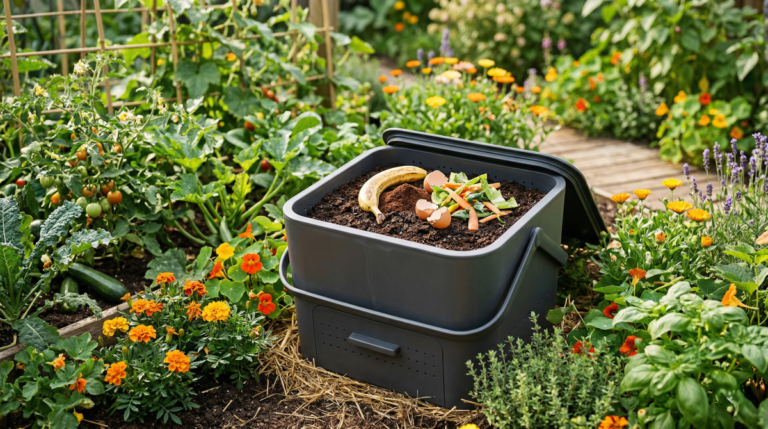
- Diseased plants: pull them out, roots and all, and put them in the trash. Tomato vines with blight and squash leaves with mildew should not go in a home compost pile, which rarely gets hot enough to kill disease. See how to compost at home.
- Remove stakes, cages and ties. Scrub off any soil before storing them.
Leave some things standing. The seed heads of sunflowers and coneflowers feed birds, and hollow stems and leaf litter in flower borders shelter ladybugs and other helpful insects over winter. Tidy the vegetable beds thoroughly, and be relaxed about the rest.
3. Weed one last time
Pull weeds now, before they drop seed. One weed left to seed in fall can mean hundreds of seedlings in spring. Weeds with deep roots are easier to pull from moist fall soil.
4. Feed the soil
Fall is the best time to improve soil, because amendments have all winter to break down and blend in.
- Spread 1 to 2 inches of compost over the surface of each bed. There is no need to dig it in. Worms and weather will do that.
- Consider a soil test. If your plants struggled, a simple test shows whether the soil is short of nutrients or the pH is off. Lime, which corrects acidic soil, takes months to act, so fall is the time to add it.
- Skip the rototiller. Turning soil over brings buried weed seeds to the surface and breaks up its structure.
Checks pH and the main nutrients, so you add only what your soil needs.
5. Cover bare soil
Bare soil washes away in winter rain, packs down and fills with weeds. Cover it by one of two methods:
Mulch
Spread 3 to 4 inches of shredded leaves or straw over the compost. In spring, pull it aside to plant, or leave it in place as a summer mulch.
Cover crop
Sow winter rye, oats or crimson clover at least four weeks before hard frost. They hold the soil over winter and are cut down in spring to feed it.
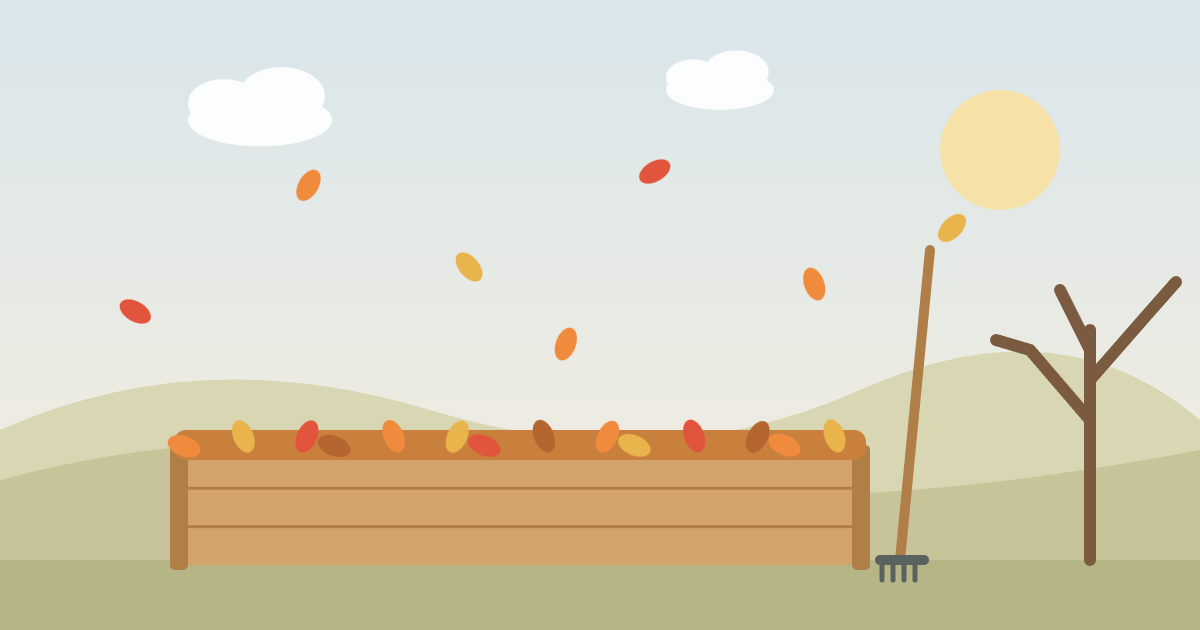
Autumn leaves are the best free resource in the garden. Run a mower over them first, since whole leaves mat into a layer that sheds water. Our guide to the best mulch for a vegetable garden covers the options.
6. Plant garlic
Fall is not only about endings. Garlic goes in now, a few weeks before the ground freezes, and is harvested next summer. It is one of the easiest crops there is. Follow our guide on how to grow garlic.
7. Protect what stays
- Hardy herbs such as thyme, sage, oregano and chives survive winter in most climates. Mulch around the base after the ground has frozen.
- Tender herbs such as basil die at the first frost. Pot up rosemary and bring it indoors in cold regions. See indoor herb garden for beginners.
- Late crops such as kale, spinach and carrots can be kept going for weeks under a layer of frost cloth.
- Pots: empty terracotta and ceramic pots and store them under cover, because wet soil expands as it freezes and cracks them.
Draped over hardy greens, it adds a few degrees of protection and extends the harvest.
8. Look after tools and equipment
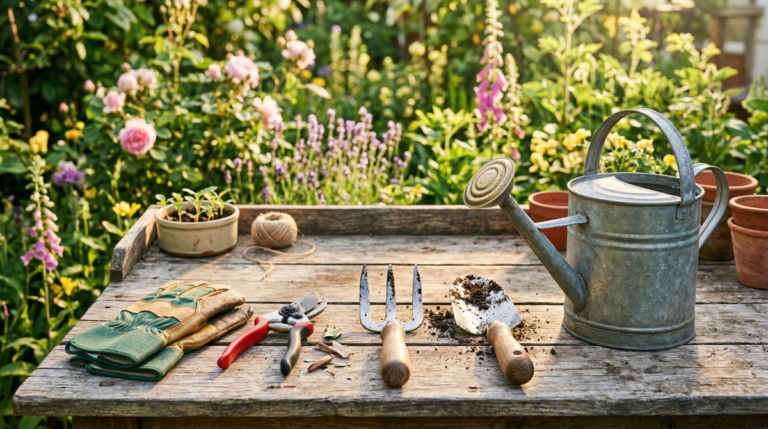
- Clean tools. Scrape off soil, wash and dry them.
- Oil metal parts lightly to prevent rust, and rub wooden handles with linseed oil.
- Sharpen pruners, hoes and spades so they are ready for spring.
- Drain and coil hoses, and store them out of the weather. Water left inside freezes and splits them.
- Shut off and drain outdoor taps if you get hard freezes. Bring hose timers and drip-irrigation fittings indoors.
- Empty and store rain gauges and watering cans.
Short on tools? Here are the only five you really need.
A few strokes each fall keeps pruners and hoes cutting cleanly.
9. Make notes for next year
While it is fresh in your mind, write down what you grew, where you grew it, and what worked. Two notes are especially useful:
- Where each crop was planted. Moving plant families to a different bed each year, known as crop rotation, reduces disease. Try not to grow tomatoes, peppers and potatoes in the same spot two years running.
- What you would change. Too much zucchini, not enough beans, tomatoes planted too close together. You will not remember in March.
Frequently asked questions
Should I cut everything down in fall?
In the vegetable garden, yes: clear annual crops to limit disease. In flower borders, leaving stems and seed heads until spring helps birds and beneficial insects.
Should I cover raised beds in winter?
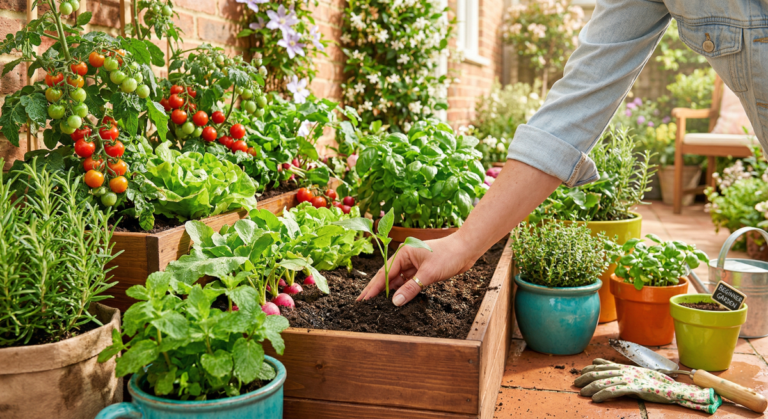
Yes. A layer of shredded leaves or straw protects the soil and stops weeds. New to raised beds? See raised bed gardening for beginners.
Is it too late to prepare my garden if it has already frozen?
Not entirely. You can still clear dead plants, spread mulch over frozen ground, and clean and store your tools.
Should I fertilize in fall?
Compost, yes. Fast-acting fertilizers, no: with nothing growing, the nutrients wash away over winter.