Unlock Bountiful Harvests: Grow Squash from Seed
Imagine plucking a perfectly ripe zucchini from your own garden, or slicing into a sweet, homegrown butternut squash. The taste, the freshness, the sheer satisfaction – it’s a gardener’s dream. While buying starter plants is convenient, learning to grow squash from seed opens up a world of possibilities: a wider selection of varieties, healthier and more robust plants, and the incredible joy of watching life sprout from a tiny kernel.
This guide empowers you to embark on this rewarding journey. You’ll learn everything you need to know to transform humble squash seeds into a sprawling, productive patch that feeds your family all season long.
Why Grow Squash from Seed?
You might wonder why you should bother starting from scratch when nurseries offer ready-to-plant seedlings. Here’s why taking the seed route is often the superior choice:
- Cost-Effective: A packet of squash seeds costs significantly less than buying several individual starter plants, and you often get many more seeds than you’ll need for a single season.
- Wider Variety: Seed catalogs offer an astonishing array of squash types – heirloom varieties, unique colors, different shapes, and disease-resistant strains you simply won’t find at your local garden center.
- Stronger Plants: When you grow squash from seed, you control the entire growing environment. This often results in healthier, more resilient plants that adapt better to your garden’s specific conditions. They never experience the transplant shock that sometimes stunts store-bought seedlings.
- Deep Satisfaction: There’s an unmatched sense of accomplishment in nurturing a plant from a tiny seed to a prolific producer. It connects you more intimately with your food and the natural world.
Choosing Your Squash Adventure: Summer vs. Winter
Before you even think about planting, decide what kind of squash you want to grow. Squash generally falls into two categories:
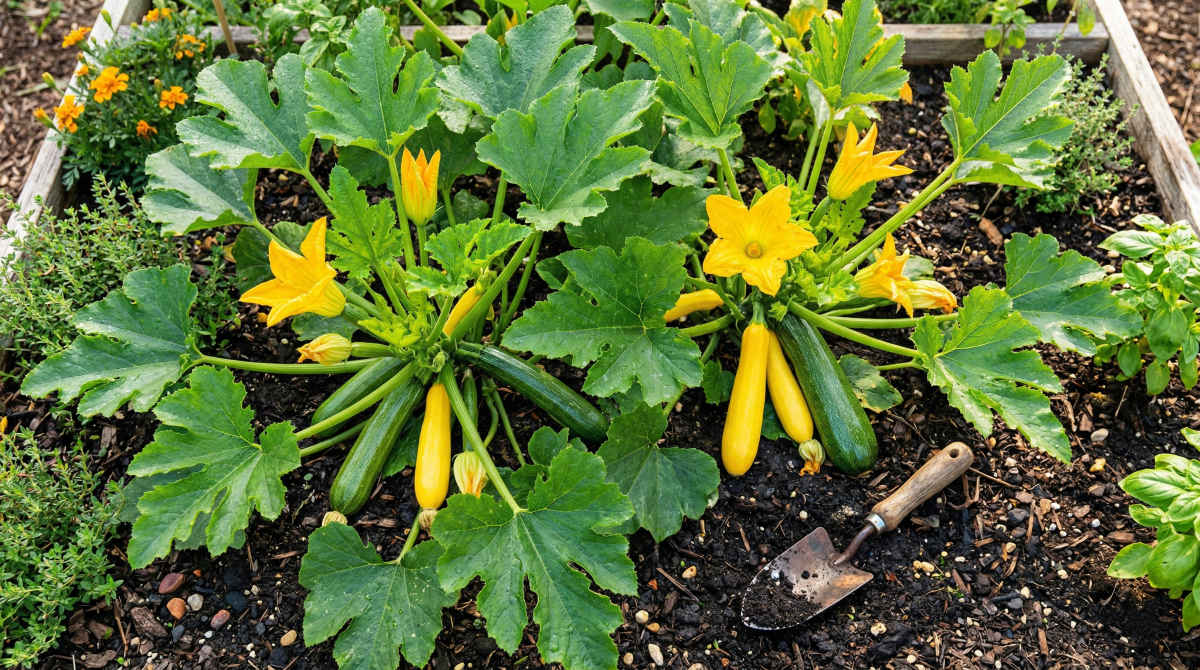
- Summer Squash: These are quick-growing and harvested when young and tender, often with soft skins. Think zucchini, yellow squash, pattypan, and crookneck. They produce continuously throughout the warmer months.
- Winter Squash: These varieties take longer to mature and develop hard skins, making them excellent for storage through autumn and winter. Butternut, acorn, spaghetti, delicata, and pumpkins are popular winter squash types.
Consider your climate, available space, and culinary preferences when making your choice. Many gardeners plant both for a continuous harvest!
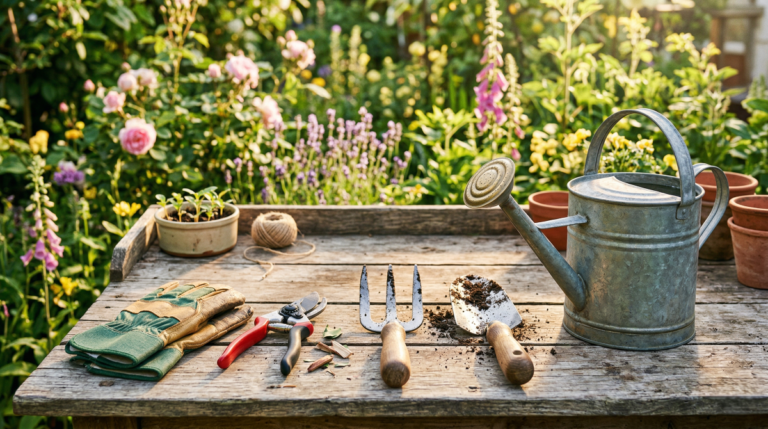
Gather Your Tools & Supplies
To successfully grow squash from seed, gather these essentials:
- High-Quality Squash Seeds: Choose varieties suitable for your climate.
- Seed Starting Mix: A sterile, lightweight mix ideal for germination (if starting indoors).
- Seed Trays or Small Pots: Biodegradable pots are excellent as they reduce transplant shock.
- Grow Lights (Optional but Recommended for Indoors): Essential for strong, non-leggy seedlings.
- Heat Mat (Optional for Indoors): Speeds up germination.
- Watering Can or Spray Bottle: For gentle watering.
- Garden Trowel and Shovel: For outdoor planting.
- Compost or Well-Rotted Manure: To enrich your garden soil.
- Fertilizer (Organic recommended): For ongoing plant nutrition.
The Seed Starting Journey: Step-by-Step
Squash seeds are fairly large and generally germinate easily. You can start them indoors or sow them directly into the garden.
When to Start
- Indoors: Start seeds 3-4 weeks before your average last frost date. Squash plants grow quickly, so don’t start them too early, or they’ll outgrow their pots before transplanting.
- Direct Sowing: Sow seeds directly into your garden beds 1-2 weeks after your average last frost date, when soil temperatures have consistently warmed to at least 65°F (18°C). Cold soil can hinder germination and growth.
Indoor Seed Starting (Recommended for Northern Climates or Early Start)
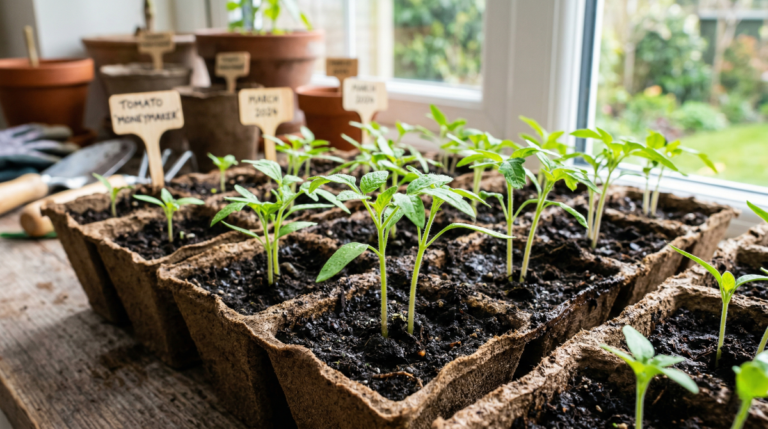
- Prepare Pots: Fill your seed trays or small pots with moist seed starting mix.
- Plant Seeds: Create a small indentation in the center of each pot. Plant 1-2 seeds per pot, about 1 inch deep. Planting two gives you a backup in case one doesn’t germinate.
- Water Gently: Lightly water the pots again after planting.
- Provide Warmth & Light: Place pots on a heat mat (if using) and under grow lights for 14-16 hours a day. Keep the soil consistently moist but not waterlogged.
- Thin Seedlings: Once seedlings develop their first true leaves (the second set of leaves), snip off the weaker seedling at the soil line, leaving the strongest one to grow.
- Harden Off: About a week before transplanting, begin “hardening off” your seedlings. Gradually expose them to outdoor conditions (wind, sun, cooler temperatures) for increasing periods each day. This toughens them up for the garden.
Direct Sowing (Ideal for Warmer Climates or Later Start)
- Prepare the Garden Bed: Choose a sunny spot that receives at least 6-8 hours of direct sunlight daily. Squash needs space! Amend your soil with plenty of compost or well-rotted manure to ensure good drainage and fertility. Squash are heavy feeders.
- Create Mounds: Many gardeners prefer to plant squash in “hills” or mounds about 12-18 inches wide and 6-8 inches high. This improves drainage and warms the soil faster. Space these mounds 3-6 feet apart for bush varieties and 6-10 feet apart for vining types.
- Plant Seeds: In each mound, plant 3-5 seeds about 1 inch deep.
- Water: Water thoroughly after planting.
- Thin Seedlings: Once seedlings are 4-6 inches tall, thin them to 2-3 strong plants per mound by snipping the weaker ones at the soil line.
Caring for Your Growing Plants
Once your squash plants are established, they generally need consistent care to thrive.
- Watering: Squash plants are thirsty! Provide deep, consistent watering, especially during dry spells and when fruits are developing. Aim for about 1 inch of water per week, either from rain or irrigation. Water at the base of the plant to keep leaves dry and reduce fungal issues.
- Fertilizing: With good soil preparation, you might not need much initial fertilizer. However, squash plants benefit from a balanced organic fertilizer applied once fruiting begins. Follow package directions.
- Pest and Disease Watch: Keep an eye out for common squash pests like squash bugs, squash vine borers, and cucumber beetles. Hand-picking, row covers, or organic pest controls can help. Powdery mildew is a common fungal disease; ensure good air circulation and water wisely to prevent it.
- Pollination: Squash plants produce both male and female flowers. Bees and other pollinators are essential for transferring pollen from male to female flowers, leading to fruit set. If you see plenty of flowers but no fruit, you might have a pollination issue. You can try hand-pollinating using a small paintbrush to transfer pollen.
Harvesting Your Bounty
Knowing when and how to harvest makes all the difference in taste and plant productivity.
- Summer Squash: Harvest summer squash (zucchini, yellow squash) when they are young and tender, typically 6-8 inches long. Don’t let them get too big, or they become tough and seedy, and the plant stops producing as much. Pick every 1-2 days.
- Winter Squash: Winter squash requires full maturity. Harvest when the skin is hard (you can’t easily indent it with your fingernail) and the stem is dry and woody. Leave an inch or two of stem attached to the fruit to improve storage life. Cure winter squash in a warm, sunny spot for 1-2 weeks before storing in a cool, dark place.
Pros and Cons of Growing Squash from Seed
| Pros | Cons |
|---|---|
| Cost-Effective: Save money on plants. | Time Commitment: Requires earlier planning. |
| Wider Variety: Access unique types. | Learning Curve: New gardeners need to learn seed starting techniques. |
| Stronger Plants: Control initial growth for robust starts. | Space Requirements (Indoors): Needs dedicated space for seedlings. |
| Deep Satisfaction: Rewarding experience. | Environmental Control: Requires attention to light, temperature, moisture. |
| No Transplant Shock: Plants adapt better to your garden. | Germination Failures: Not every seed will sprout. |
| Organic Control: Ensure chemical-free growth from the start. | Patience: Waiting for seeds to sprout and grow takes time. |
Frequently Asked Questions (FAQ)
Q: How long do squash seeds take to germinate?
A: Squash seeds typically germinate in 7-14 days, sometimes even faster if provided with ideal warmth.
Q: Can I grow squash in containers?
A: Yes, you can! Choose bush varieties (like ‘Patio Star’ zucchini or ‘Bush Delicata’) and use very large containers – at least 15-20 gallons (60-75 liters) in volume, with good drainage.
Q: Why are my squash plants not producing fruit, only flowers?
A: This is often a pollination issue. Squash plants produce male flowers first, followed by female flowers (which have a tiny fruit behind them). If pollinators are scarce or there are only male flowers, you won’t get fruit. Hand-pollinate or encourage pollinators to your garden.
Q: When should I plant squash seeds?
A: Wait until all danger of frost has passed and soil temperatures consistently stay above 65°F (18°C). For most regions, this means late spring or early summer.
Q: What’s the difference between summer and winter squash?
A: Summer squash is harvested young with tender skin and eaten fresh. Winter squash matures on the vine, develops a hard skin for storage, and is typically cooked.
Conclusion
Growing squash from seed is an incredibly rewarding endeavor that offers more control, variety, and satisfaction than simply buying starter plants. By understanding the basics of seed starting, providing consistent care, and harvesting at the right time, you set yourself up for an abundant harvest. The effort you invest in nurturing those tiny seeds will repay you tenfold in fresh, delicious, homegrown squash.
Final Thoughts
Don’t be intimidated by the idea of starting from scratch. Gardening is a journey of learning and experimentation. Embrace the process, observe your plants, and enjoy the magical transformation from a humble seed to a vibrant, productive squash plant. Get your hands dirty, plant those seeds, and prepare to unlock some truly bountiful harvests this season! Happy gardening!