The Best Potting Soil for Thriving Container Gardens
Container gardening offers an incredible way to grow fresh herbs, delicious vegetables, and beautiful flowers, even with limited space. However, many new gardeners make one critical mistake: they assume all soil is the same. The truth is, the foundation of any successful container garden isn’t just “dirt” from your yard; it’s a carefully crafted potting soil mix. Choosing the best potting soil provides your plants with the ideal environment they need to flourish, ensuring robust root development, optimal nutrient uptake, and vibrant growth.
This guide empowers you to understand what makes a superior potting soil, explore different types, and select the perfect mix for your thriving container garden.
What Makes Great Potting Soil? More Than Just Dirt
Potting soil, or potting mix, is specifically engineered for container environments. Unlike dense garden soil, it offers a blend of characteristics essential for confined roots:
- Excellent Drainage & Aeration: Roots need oxygen to breathe. Good potting soil prevents waterlogging, which suffocates roots and leads to rot. It creates air pockets that allow roots to access vital oxygen. Components like perlite, vermiculite, and coarse sand contribute to this.
- Optimal Moisture Retention: While it drains well, quality potting soil also holds onto enough moisture to keep your plants hydrated between waterings. Materials like peat moss, coir (coconut fiber), and compost excel at moisture retention.
- Nutrient Content: Most potting mixes come pre-loaded with a starter dose of nutrients, feeding your plants for the first few weeks. Some even include slow-release fertilizers for sustained nourishment. Organic mixes rely on compost and other natural amendments.
- Lightweight: You don’t want heavy, compacted soil in a pot. Potting mixes are light, making containers easier to move and preventing soil compaction that stifles root growth.
- Sterile & Weed-Free: Commercial potting mixes are usually sterilized, meaning they don’t introduce weed seeds, pests, or disease pathogens into your containers. Garden soil, on the other hand, often harbors these unwanted elements.
- Stable pH: Potting soils generally maintain a neutral to slightly acidic pH, suitable for most common garden plants. This ensures plants can efficiently absorb nutrients.
Types of Potting Soil: Matching the Mix to Your Needs
Manufacturers formulate various potting mixes for specific plant needs and gardening styles. Understanding these distinctions helps you make the best choice:
- General-Purpose Potting Mix: This is your all-around workhorse. It suits a wide range of plants, from annuals and perennials to vegetables. It typically contains a balanced blend of peat moss or coir, perlite or vermiculite, and a small amount of nutrients.
- Organic Potting Mix: For the environmentally conscious gardener, organic mixes use natural, untreated ingredients like compost, worm castings, bone meal, and kelp meal. They avoid synthetic fertilizers and pesticides, fostering a healthy microbial ecosystem.
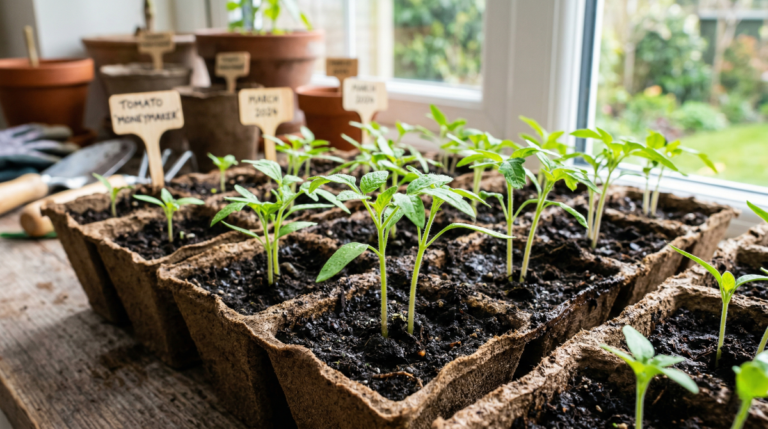
- Seed Starting Mix: This specialized mix is incredibly fine, light, and sterile. Its purpose is to provide delicate seedlings with the perfect environment for germination and early root development. It holds moisture gently without becoming waterlogged.
- Succulent & Cactus Mix: These plants thrive in very dry conditions. This mix incorporates extra sand, perlite, or pumice to ensure extremely fast drainage and aeration, preventing root rot common in succulents.
- Orchid Mix: Orchids are epiphytes, meaning they grow on other plants, not in soil. Their specialized mixes contain bark, charcoal, and sphagnum moss to mimic their natural growing conditions, offering excellent airflow and minimal water retention.
- Raised Bed Mix: While similar to general-purpose mixes, these often come in larger bags and sometimes contain a slightly denser composition, balancing drainage with the volume needed for larger raised bed containers.
Pros and Cons of Different Potting Soil Types
Choosing the right potting mix significantly impacts your plants’ health. Here’s a quick comparison to help you decide:
| Potting Soil Type | Pros | Cons | Best For |
|---|---|---|---|
| General Purpose Mix | Versatile, readily available, good balance of drainage & moisture. | May not meet specific needs of specialized plants. | Most annuals, perennials, vegetables, and herbs in containers. |
| Organic Potting Mix | Sustainable, supports soil microbes, chemical-free. | Often more expensive, nutrient release can be slower. | Organic gardeners, edible plants (herbs, vegetables), long-term growth. |
| Seed Starting Mix | Fine texture, sterile, excellent for delicate seedlings. | Lacks nutrients for long-term growth, too light for mature plants. | Germinating seeds, starting cuttings. |
| Succulent/ Cactus Mix | Extremely fast drainage, prevents root rot. | Dries out very quickly, unsuitable for moisture-loving plants. | Succulents, cacti, arid climate plants. |
| Orchid Mix | Perfect airflow, mimics natural epiphyte environment. | Unsuitable for terrestrial plants, requires specific watering. | Orchids. |
Choosing the Right Soil for Your Plants
You select the best potting soil by considering a few key factors:
- Identify Your Plants’ Needs: Are you growing moisture-loving impatiens or drought-tolerant sedum? Do your tomatoes require rich nutrients, or are you just starting delicate seeds? Match the soil to your plant’s specific requirements.
- Consider Your Container Size: Larger containers need more volume, making raised bed mixes economical. Smaller pots for seedlings demand fine, sterile mixes.
- Evaluate Your Budget: General-purpose mixes are usually the most affordable. Organic and specialty mixes often come at a higher price point due to their specialized ingredients.
- DIY vs. Pre-made: While you can create your own potting mixes, pre-made options offer convenience and consistency, especially for beginners.
Tips for Success with Your Potting Soil
Even with the best potting soil, proper care maximizes your plants’ potential:
- Don’t Reuse Old Potting Soil Indefinitely: Over time, potting soil loses its structure, nutrients, and sterility. For optimal health, refresh or replace it each growing season, especially for annuals or heavy feeders.
- Avoid Compacting the Soil: Gently fill your containers; don’t pack the soil down tightly. Roots need air to grow. A slight tap on the container usually settles the soil enough.
- Supplement Nutrients: Most potting mixes include initial nutrients, but container plants quickly deplete them. Start a regular fertilization program a few weeks after planting, using a balanced liquid or slow-release fertilizer.
- Water Correctly: Potting mixes dry out faster than garden soil. Check moisture levels daily, and water thoroughly until water drains from the bottom. Avoid constant sogginess.
- Store Potting Soil Properly: Keep unused potting mix in a cool, dry place, sealed in its original bag or an airtight container. This prevents contamination, keeps it sterile, and preserves its quality.
Frequently Asked Questions (FAQ)
Q: Can I use garden soil in my containers?
A: No, you should not use garden soil in containers. It’s too dense, compacts easily, drains poorly, and often harbors weed seeds, pests, and diseases. Potting mix is specifically formulated for container success.
Q: How often should I change potting soil in my containers?
A: For annuals and heavy feeders (like most vegetables), change the potting soil every growing season. For perennials or longer-lived plants, you can top-dress with fresh soil and replenish nutrients, but consider replacing it every 2-3 years to maintain good structure and drainage.
Q: What is peat moss, and is it sustainable?
A: Peat moss is a common component in potting mixes known for its excellent water retention. However, harvesting peat moss raises environmental concerns about bog degradation. Many manufacturers now offer peat-free alternatives using coir (coconut fiber), compost, or other sustainable materials. Consider peat-free options for a more eco-friendly choice.
Q: Is organic potting soil really better?
A: “Better” depends on your priorities. Organic soil offers a natural, chemical-free approach, supports beneficial microbes, and is excellent for edible plants. It might require more attention to nutrient levels over time. Conventional mixes often provide more immediate nutrient availability. Both can grow healthy plants.
Conclusion
Choosing the right potting soil sets your container garden up for success. By understanding the critical characteristics of a good mix and selecting a type that aligns with your plants’ needs, you provide the optimal foundation for robust growth. Good soil delivers proper drainage, aeration, and nutrient support, crucial factors for thriving plants in confined spaces.
Final Thoughts
Don’t underestimate the power of quality potting soil. It’s an investment in your garden’s health and your harvesting success. Take the time to select the best potting soil for your specific plants, and you’ll unlock a world of vibrant colors, fragrant blooms, and delicious harvests. Embrace the journey of container gardening, and watch your plants flourish!