10 Easy Houseplants for Beginners That Are Hard to Kill
This guide contains affiliate links. As an Amazon Associate, Simple Garden Hub earns from qualifying purchases, at no extra cost to you.
Most houseplants that die are killed by kindness: too much water, too often. The plants below forgive that and nearly everything else, including dim rooms, dry air and a week or two of neglect. If you have never kept a plant alive, start here.
- Easiest of all: snake plant, ZZ plant and pothos.
- Water only when the top inch or two of soil is dry.
- Use a pot with a drainage hole.
- Safe for cats and dogs: spider plant and cast iron plant.
First, work out your light
Light is the one thing you cannot fake, so choose the plant to suit the spot.
- Low light: a room with a window, but the plant sits several feet from it. You can read there comfortably during the day. No plant survives in a windowless room without a lamp.
- Bright, indirect light: close to a window, but the sun does not shine directly on the leaves.
- Direct sun: a windowsill where sunlight lands on the plant for a few hours a day.
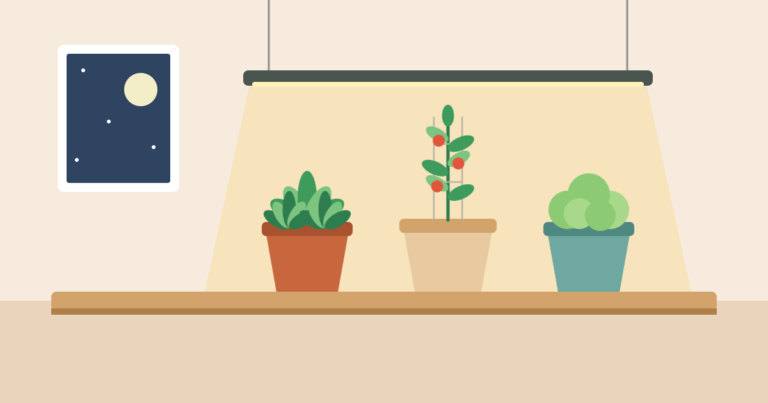
If your home is dark, a small lamp can make almost any corner work. See our guide to grow lights for indoor plants.
The 10 easiest houseplants
1. Snake plant
Stiff, upright leaves that tolerate low light, dry air and long gaps between waterings. Water every two to three weeks, less in winter. The one thing it will not survive is constantly wet soil.
2. ZZ plant
Glossy leaves on arching stems, growing from thick roots that store water. It copes with dim corners and may need water only once or twice a month.
3. Pothos
A fast-growing trailing vine with heart-shaped leaves. It droops slightly when thirsty and perks up within hours of watering, so it tells you what it needs. Trim long vines to keep it bushy, and root the cuttings in a glass of water for free new plants.
4. Spider plant
Arching, striped leaves and small “baby” plants on long stems that you can pot up. It prefers bright, indirect light and evenly moist soil. Brown leaf tips are common and harmless, and often come from minerals in tap water.
5. Heartleaf philodendron
Similar to pothos, with softer, darker leaves. It trails from a shelf or climbs a support and tolerates lower light than most plants.
6. Cast iron plant
Named for its toughness. Broad, dark green leaves that put up with deep shade, cool rooms and irregular watering. It grows slowly, so buy it at the size you want.
7. Peace lily
Dark leaves and white, sail-shaped flowers. It wilts dramatically when dry and recovers fully after a drink, which makes watering foolproof. It flowers best in bright, indirect light.
8. Rubber plant
Large, glossy leaves on an upright stem, eventually growing into an indoor tree. Give it bright, indirect light and let the top of the soil dry between waterings. Wipe the leaves with a damp cloth now and then to keep them shiny.
9. Jade plant
A succulent with thick, rounded leaves on woody stems. It wants a sunny window and a thorough watering only when the soil has dried out completely. Jade plants can live for decades.
10. Aloe vera
Another succulent for a bright windowsill. Water deeply but rarely, and use a gritty cactus mix so the roots never sit wet.
At a glance
| Plant | Light | Water | Safe for cats and dogs? |
|---|---|---|---|
| Snake plant | Low to bright | Every 2 to 3 weeks | No |
| ZZ plant | Low to bright, indirect | Every 2 to 4 weeks | No |
| Pothos | Low to bright, indirect | When the top inch is dry | No |
| Spider plant | Bright, indirect | Keep lightly moist | Yes |
| Heartleaf philodendron | Low to bright, indirect | When the top inch is dry | No |
| Cast iron plant | Low | When the top 2 inches are dry | Yes |
| Peace lily | Low to bright, indirect | When it begins to droop | No |
| Rubber plant | Bright, indirect | When the top 2 inches are dry | No |
| Jade plant | Direct sun | When fully dry | No |
| Aloe vera | Direct sun | When fully dry | No |
Pets and small children: most of the plants on this list can cause mouth irritation or stomach upset if chewed. If you have a pet that nibbles leaves, choose the spider plant or cast iron plant, or keep the others out of reach. The ASPCA publishes a searchable list of toxic and non-toxic plants. If a pet eats part of a plant, call your vet.
How to keep any houseplant alive
Water less than you think
Overwatering causes more deaths than everything else combined. Before watering, push a finger into the soil. If it is damp an inch down, wait. When you do water, do it thoroughly until water runs from the drainage hole, then empty the saucer.
Push the probe into the pot to see whether the root zone is still damp. Useful for large pots.
Insist on drainage
Roots sitting in water rot. Every plant needs a pot with a hole in the bottom. If you love a decorative pot without one, keep the plant in its plastic nursery pot and stand that inside.
A matching set in several sizes, each with a hole and a saucer to protect furniture.
Use the right soil
Use an indoor potting mix, not soil from the garden. Succulents such as jade and aloe need a faster-draining cactus mix. See how to choose potting soil.
A light mix made for pots. It drains well and is less likely to bring fungus gnats.
The rest
- Feed lightly. A liquid houseplant food at half strength, once a month in spring and summer, is plenty. Do not feed in winter.
- Dust the leaves. A damp cloth every few weeks lets them take in more light.
- Turn the pot a quarter turn now and then so the plant grows evenly.
- Repot every year or two, when roots circle the pot or grow out of the hole. Go up only one size.
- Keep plants away from heating vents and cold drafts.
Common problems
| What you see | Likely cause | Fix |
|---|---|---|
| Yellow leaves, soft stems, wet soil | Overwatering | Let it dry out; check the drainage hole |
| Drooping with dry soil | Thirst | Water thoroughly |
| Brown, crisp leaf tips | Dry air or tap-water minerals | Mostly cosmetic; trim them off |
| Long, pale, stretched stems | Too little light | Move closer to a window or add a lamp |
| Tiny flies around the soil | Fungus gnats, from soil kept too wet | Let the top inch or two dry between waterings |
Frequently asked questions
What is the easiest houseplant to keep alive?
The snake plant and the ZZ plant. Both tolerate low light and can go weeks without water.
How often should I water houseplants?
There is no fixed schedule. Check the soil, and water when the top inch or two is dry. For most plants that works out to every one to two weeks, and less often in winter.
Which houseplants are safe for cats and dogs?
From this list, the spider plant and the cast iron plant.
Can I grow something edible indoors too?
Yes. Herbs and microgreens are both easy. See indoor herb garden for beginners and how to grow microgreens.