When to Plant Vegetables: A Simple Planting Calendar by Frost Date
This guide contains affiliate links. As an Amazon Associate, Simple Garden Hub earns from qualifying purchases, at no extra cost to you.
Planting at the right time matters more than almost anything else you do in a vegetable garden. Put tomatoes out too early and frost kills them. Sow lettuce too late and it turns bitter in the heat. The good news is that one date, your last spring frost, tells you when to plant nearly everything.
- Find your average last spring frost date.
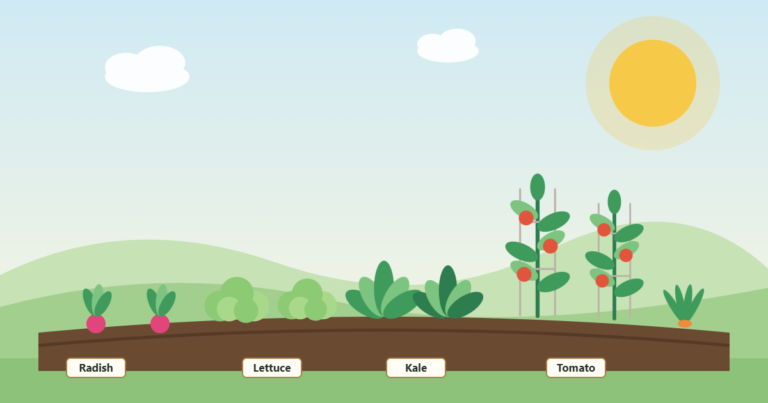
- Cool-season crops (peas, lettuce, spinach, radishes, kale) go in 2 to 6 weeks before that date.
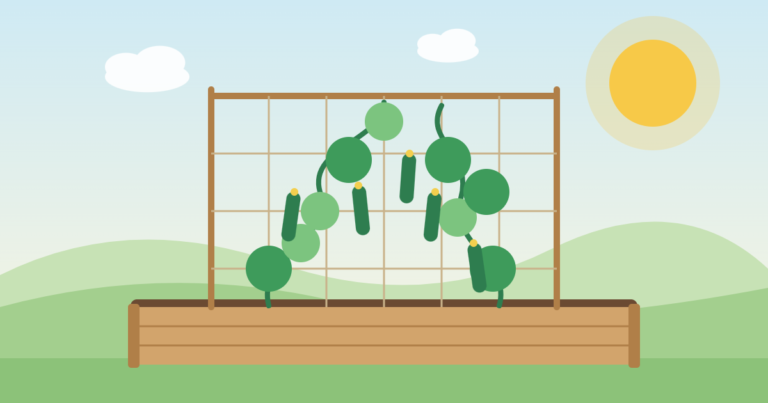
- Warm-season crops (tomatoes, beans, cucumbers, squash) go in after it.
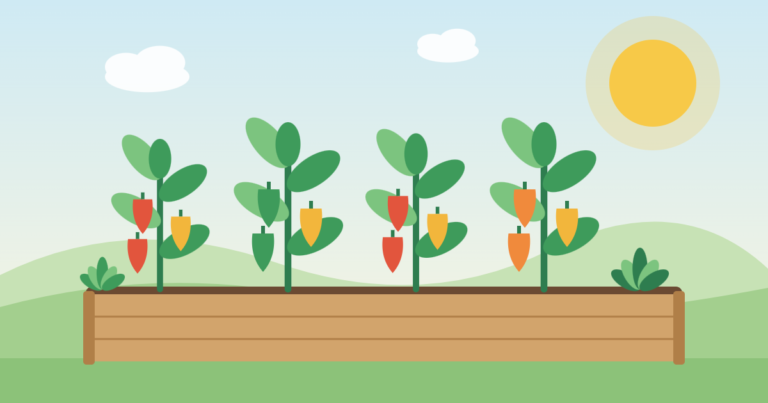
- Heat lovers (peppers, eggplant, melons) wait about 2 more weeks.
Step 1: Find your frost dates
Two dates frame your growing season:
- The average last spring frost: after this, frost becomes unlikely.
- The average first fall frost: the season for tender crops ends here.
Search online for “frost dates” plus your zip code or town, or ask at a local garden center. Remember that these are averages. In roughly half of all years, a frost comes later than the “last frost” date, so watch the forecast and keep an old sheet or frost cloth handy.
What about growing zones? A USDA hardiness zone tells you how cold your winters get, which matters for trees, shrubs and perennials. For timing vegetables, your frost dates are far more useful.
Step 2: Know your two kinds of vegetables
Like it chilly
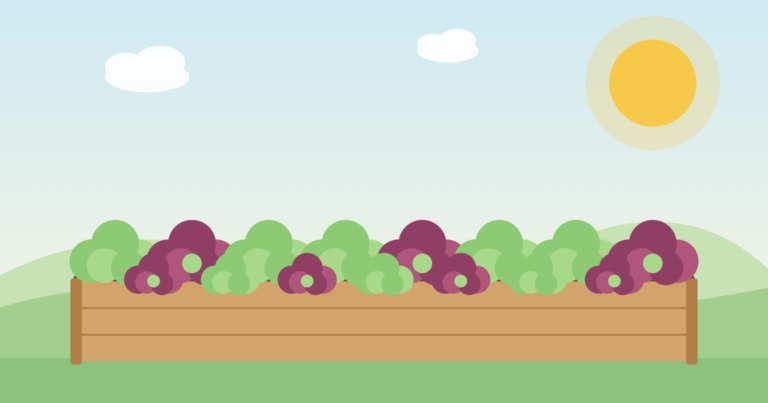
Peas, lettuce, spinach, kale, radishes, carrots, beets, broccoli, cabbage, onions. They tolerate light frost and fade in summer heat.
Need warmth
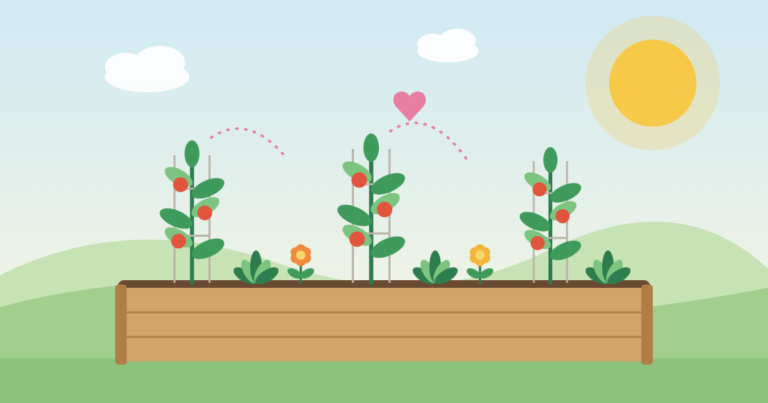
Tomatoes, peppers, beans, corn, cucumbers, squash, melons, eggplant, basil. Frost kills them, and cold soil stunts them.
Step 3: Use the planting calendar
Here is the same information with a little more detail:
| Vegetable | When to plant outdoors | How |
|---|---|---|
| Peas, spinach, radishes | 4 to 6 weeks before last frost | Seed |
| Lettuce, kale, onions | 4 to 6 weeks before | Seed, sets or young plants |
| Carrots, beets, Swiss chard | 2 to 4 weeks before | Seed |
| Potatoes | 2 to 4 weeks before | Seed potatoes |
| Broccoli, cabbage | 2 to 4 weeks before | Young plants |
| Bush beans, corn | On or just after last frost | Seed |
| Cucumbers, zucchini, squash | 1 to 2 weeks after | Seed or young plants |
| Tomatoes | 1 to 2 weeks after | Young plants |
| Peppers, eggplant, melons, basil | 2 weeks or more after | Young plants |
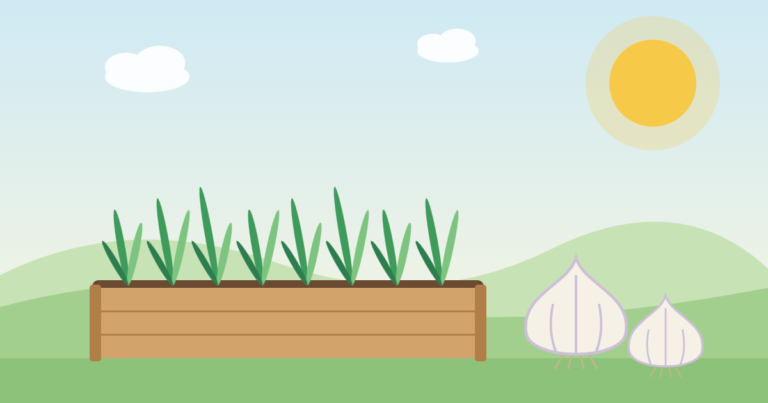
| Garlic | In fall, before the ground freezes | Cloves |
Many of these can be given a head start inside. See how to start seeds indoors for when to sow each one.
Step 4: Check the soil, not just the calendar
Seeds respond to soil temperature, not dates. In a cold spring, the calendar can say “plant” while the ground says “wait”.
| Soil temperature | What will sprout |
|---|---|
| 40 to 45°F | Peas, spinach, lettuce, radishes, kale |
| 50°F | Carrots, beets, chard, onions, potatoes |
| 60°F | Beans, corn; tomato transplants settle in well |
| 65 to 70°F | Cucumbers, squash, melons, peppers |
Push a soil thermometer a few inches into the bed in mid-morning. Soil should also be dry enough to work: squeeze a handful, and if it stays in a sticky ball, wait a few days.
Takes the guesswork out of when to sow. Read it a few inches deep, mid-morning.
Planting for a fall harvest
Spring is not the only planting season. Cool-season crops often do better in fall, when they mature in cooling weather. To time them, count backward from your first fall frost:
- Find “days to maturity” on the seed packet.
- Add about two weeks, because plants grow more slowly as days shorten.
- Count back that many days from your first fall frost date. That is your sowing date.
For example, a lettuce that takes 45 days needs about 60 days in fall, so sow it roughly two months before your first frost. Good fall crops include lettuce, spinach, kale, radishes, carrots, beets and broccoli. Garlic is planted in fall too, for harvest the following summer.
Keep the harvest coming
Do not sow a whole packet at once. Plant a short row of lettuce, radishes or bush beans every two to three weeks, a method called succession sowing, and you will have a steady supply in place of one large glut.
If frost threatens after you have planted
- Cover tender plants overnight with frost cloth, an old sheet or an upturned bucket. Remove it in the morning.
- Water the day before. Moist soil holds more heat than dry soil.
- Do not worry about cool-season crops. Peas, kale, spinach and lettuce handle a light frost.
A light fabric that buys a few degrees of protection on cold nights, and is reusable for years.
Common timing mistakes
- Planting warm-season crops on the first sunny weekend. One cold night undoes it. Wait for the frost date and warm soil.
- Sowing cool-season crops too late. Lettuce and spinach planted in late spring bolt, meaning they flower and turn bitter, as soon as it gets hot.
- Skipping hardening off. Seedlings raised indoors need a week or more to adjust to outdoor conditions.
- Forgetting fall. Many gardens sit empty from August on, just when cool-season crops could go back in.
Write down what you planted and when. Your own notes become the best calendar for your garden.
Frequently asked questions
What vegetables can I plant earliest in spring?
Peas, spinach, radishes, lettuce, kale and onions. They can go in as soon as the soil has thawed and is dry enough to work, 4 to 6 weeks before your last frost.
Is it too late to plant vegetables in summer?
Rarely. Bush beans, cucumbers and zucchini grow quickly from a midsummer sowing, and late summer is the time to sow fall greens and root crops.
When should I plant tomatoes?
One to two weeks after your last frost, when nights stay above 50°F. Growing them on a patio? See how to grow tomatoes in pots.