How to Get Rid of Aphids Naturally: 4 Steps That Work
This guide contains affiliate links. As an Amazon Associate, Simple Garden Hub earns from qualifying purchases, at no extra cost to you.
Aphids are the most common garden pest, and one of the easiest to deal with. They are slow, soft-bodied and cannot hold on against a jet of water. Most outbreaks can be cleared without buying anything. Here is how to recognize them and what to do, starting with the gentlest method.
- Spray them off with a firm jet of water every 2 to 3 days.
- Squash or prune small clusters.
- Use insecticidal soap on stubborn colonies, coating the undersides of leaves.
- Use neem oil only as a last resort, in the evening, never on open flowers.
How to identify aphids
Aphids are tiny, pear-shaped insects about an eighth of an inch long. They are most often green, but can be black, yellow, pink, gray or white and woolly. Look for:
- Clusters on new growth, flower buds and the undersides of leaves.
- Curled, puckered or yellowing leaves.
- A sticky, shiny coating on leaves, called honeydew. Aphids excrete it as they feed.
- Black, sooty mold growing on that stickiness.
- Trails of ants. Ants feed on honeydew and protect aphids from predators to keep the supply coming.
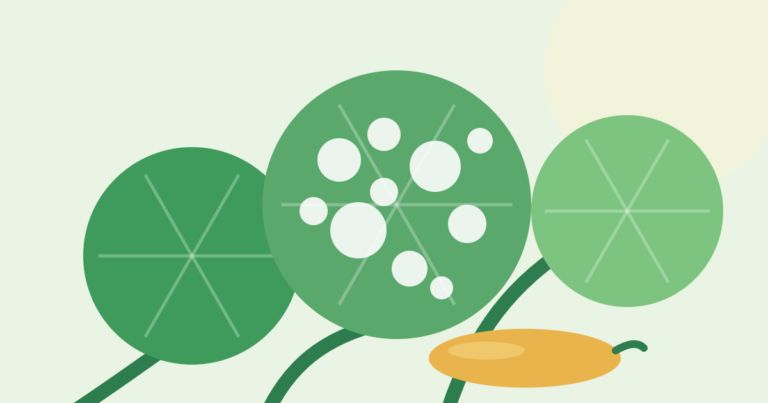
- White flecks on leaves, which are skins the aphids have shed.
Aphids multiply quickly. In warm weather, females give birth to live young without mating, so a few can become hundreds within a couple of weeks. Check plants weekly and act early.
Are aphids actually harmful?
A few aphids do little damage, and a healthy plant shrugs them off. Large colonies are a different matter: they suck sap, weaken and distort new growth, and can spread plant viruses. Seedlings and young plants suffer most. You do not need to remove every last aphid. The aim is to keep numbers low enough that the plant, and the insects that eat aphids, can keep up.
How to get rid of aphids, step by step
Step 1: Spray them off with water
Use a hose with a firm spray, aimed at the undersides of leaves and the growing tips. Dislodged aphids rarely manage to climb back. Do it in the morning so leaves dry quickly, and repeat every 2 to 3 days for a week or two. Support tender stems with your other hand.
Step 2: Squash and prune
For a small cluster, wipe the aphids off with your fingers or a damp cloth. Wear gloves if you prefer. If a shoot tip is completely covered, snip it off and put it in the trash.
Step 3: Insecticidal soap
If aphids keep returning, use an insecticidal soap. It kills soft-bodied insects on contact and leaves no lasting residue. The details matter:
- It must touch the aphids. Spray until leaves are wet, especially underneath.
- Spray in the early morning or evening, never in hot midday sun or above about 90°F, to avoid scorching leaves.
- Repeat every 4 to 7 days until they are gone. It does not affect aphids that arrive later.
- Test first. Spray a few leaves and wait a day to check the plant tolerates it.
Ready to use, made for plants, and far less likely to burn leaves than a homemade mix.
Thinking of making your own soap spray? A common recipe is 1 to 2 teaspoons of mild liquid soap, such as pure castile soap, in a quart of water. It can work, but household dish detergents often contain degreasers that damage leaves. A product made for plants is the safer choice.
Step 4: Neem oil, as a last resort
Neem oil, pressed from the seeds of the neem tree, disrupts feeding and smothers insects. Use it only when the gentler steps have failed:
- Follow the label exactly, including the dilution.
- Spray in the evening, when bees are not flying.
- Never spray open flowers.
- Do not use it in hot sun or on plants that are short of water.
Keep it for stubborn infestations. Evening use only, and never on blooms.
Let nature help
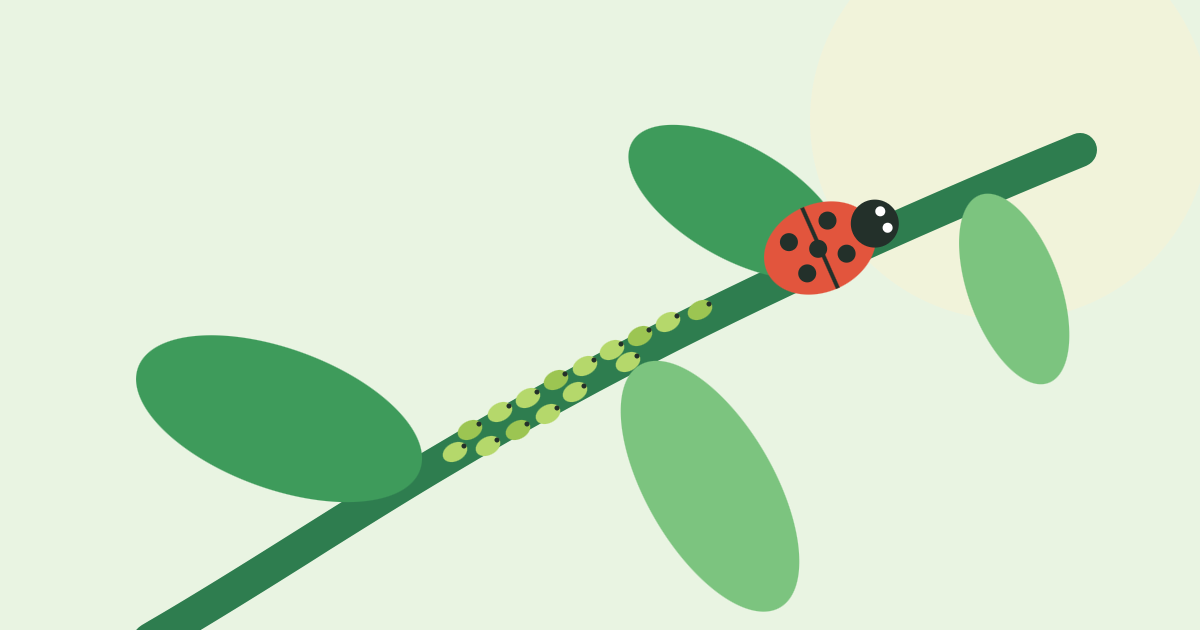
Many insects eat aphids: ladybugs and their larvae, lacewing larvae, hoverfly larvae, and tiny parasitic wasps that leave swollen, tan aphid “mummies” behind. Given a chance, they often finish off an outbreak for you.
- Grow small flowers nearby. Sweet alyssum, dill, cilantro left to flower, and yarrow feed the adult insects whose young eat aphids.
- Avoid broad-spectrum insecticides. They kill the helpers along with the pests, and aphids bounce back faster than their predators do.
- Tolerate a few aphids. Predators only stay where there is something to eat.
Should you buy ladybugs? Usually not. Released ladybugs tend to fly away within a day or two. Attracting the ones already in your area with flowers works better.
How to prevent aphids
- Do not overfeed. Too much nitrogen fertilizer produces soft, lush growth that aphids love.
- Check plants weekly, looking under leaves and at new shoots. A small colony is a two-minute job.
- Use a trap crop. Nasturtiums draw aphids away from vegetables. See our companion planting chart.
- Cover young plants. A light fabric row cover keeps aphids off seedlings of cabbage, broccoli and kale.
- Deal with ants. If ants are tending the aphids, a sticky barrier band around the trunk of a tree or shrub stops them climbing.
- Keep plants watered. Stressed plants are more attractive to pests. See how often to water a vegetable garden.
A light fabric that lets in sun and rain but keeps insects off young plants.
Aphids on indoor plants
Aphids arrive indoors on new plants or on herbs brought in from outside. Move the affected plant away from the others, rinse it thoroughly in the sink or shower, and repeat every few days. Follow with insecticidal soap if needed. Check new plants carefully before putting them near the ones you already have, including your indoor herbs.
Frequently asked questions
What kills aphids instantly?
Insecticidal soap kills the aphids it touches within minutes, and a jet of water removes them at once. Neither stops new aphids arriving, so repeat treatments matter more than speed.
Will aphids go away without treatment?
Sometimes. Predators often catch up after a week or two, and hot summer weather reduces many aphid species. On young or struggling plants, do not wait.
Is it safe to eat vegetables that had aphids?
Yes. Aphids are harmless to people. Wash the produce well. A soak in cool water helps float them off leafy greens.
Why do aphids keep coming back?
Winged aphids fly in from elsewhere, and any you miss multiply fast. Regular checks, fewer high-nitrogen feeds and flowers that attract predators break the cycle.